Case Study

University Course Management Platform

Designing a scalable CMS that enabled administrators to efficiently review, organize, and publish educational content.

PROJECT SPECS
Icon
Product:
University Course Management Platform
Icon
Challenge:
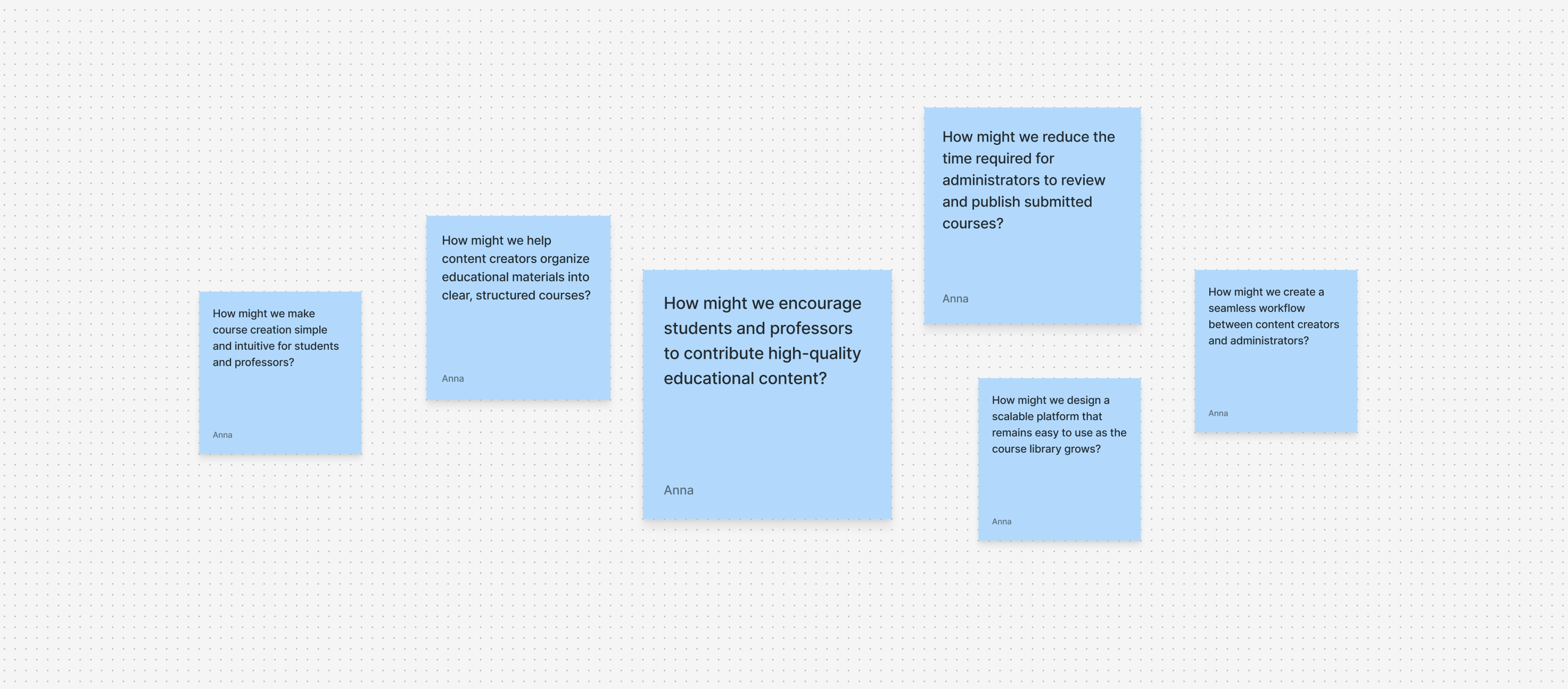
Design a scalable content management system that simplified editorial workflows and supported a growing digital learning library.
Icon
My Role:
UX Research • Product Design • UX/UI Design • Prototyping • Usability Testing
Template image
Business Context

Building a Scalable Educational Content Platform

Educational institutions increasingly rely on digital libraries to deliver lectures, recorded classes, and learning materials to students. Behind every published course is an internal workflow where administrators review submissions, organize content, manage metadata, and maintain the quality of the learning experience.

This project focused on designing a centralized content management platform that simplified these editorial workflows and enabled universities to efficiently manage an expanding library of educational content.

Template image
The Challenge

Connecting Students & Professors

The platform relied on contributions from educators who uploaded lectures, tutorials, and learning materials. Unlike traditional learning platforms with dedicated content teams, the success of the product depended on a steady flow of high-quality community submissions.

At the same time, the platform needed an efficient way for administrators to review, organize, and publish educational content while maintaining consistency across a growing library. The challenge was not only designing a CMS, but creating a workflow that encouraged quality contributions while keeping editorial operations scalable.

Template image
Discovery & Research

Understanding the Learning Experience

Before designing the platform, I explored how educational institutions create, review, and manage digital learning content. The goal was to understand the needs of students who contributed educational resources and administrators responsible for maintaining the quality and organization of the content library.

To guide the design process, I conducted:

  • Competitive analysis of educational platforms
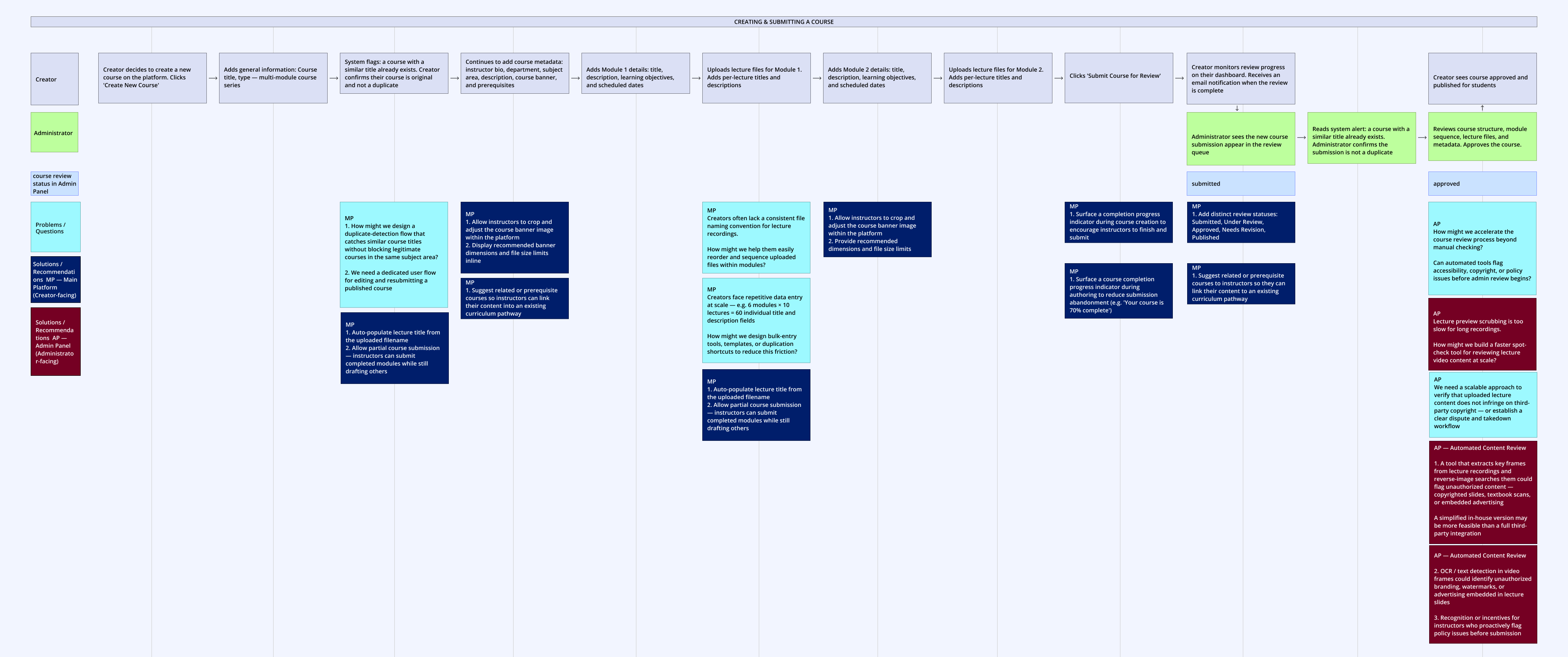
  • CJM to map all flows and processes
  • Content submission and editorial workflow mapping
  • User profiles for students and administrators
  • Jobs To Be Done to better understand user motivations and behaviors
Template image

Key Insights

  • Students needed a simple and transparent content submission process.
  • Administrators required efficient tools to review, organize, and publish content.
  • As the content library grew, scalable content management became essential.
Template image
Designing the Solution

The research revealed that the platform needed to support two distinct user groups with different goals.

To support both content creation and editorial operations, the solution evolved into two connected products. Together, they enabled a complete workflow from content submission to publication.

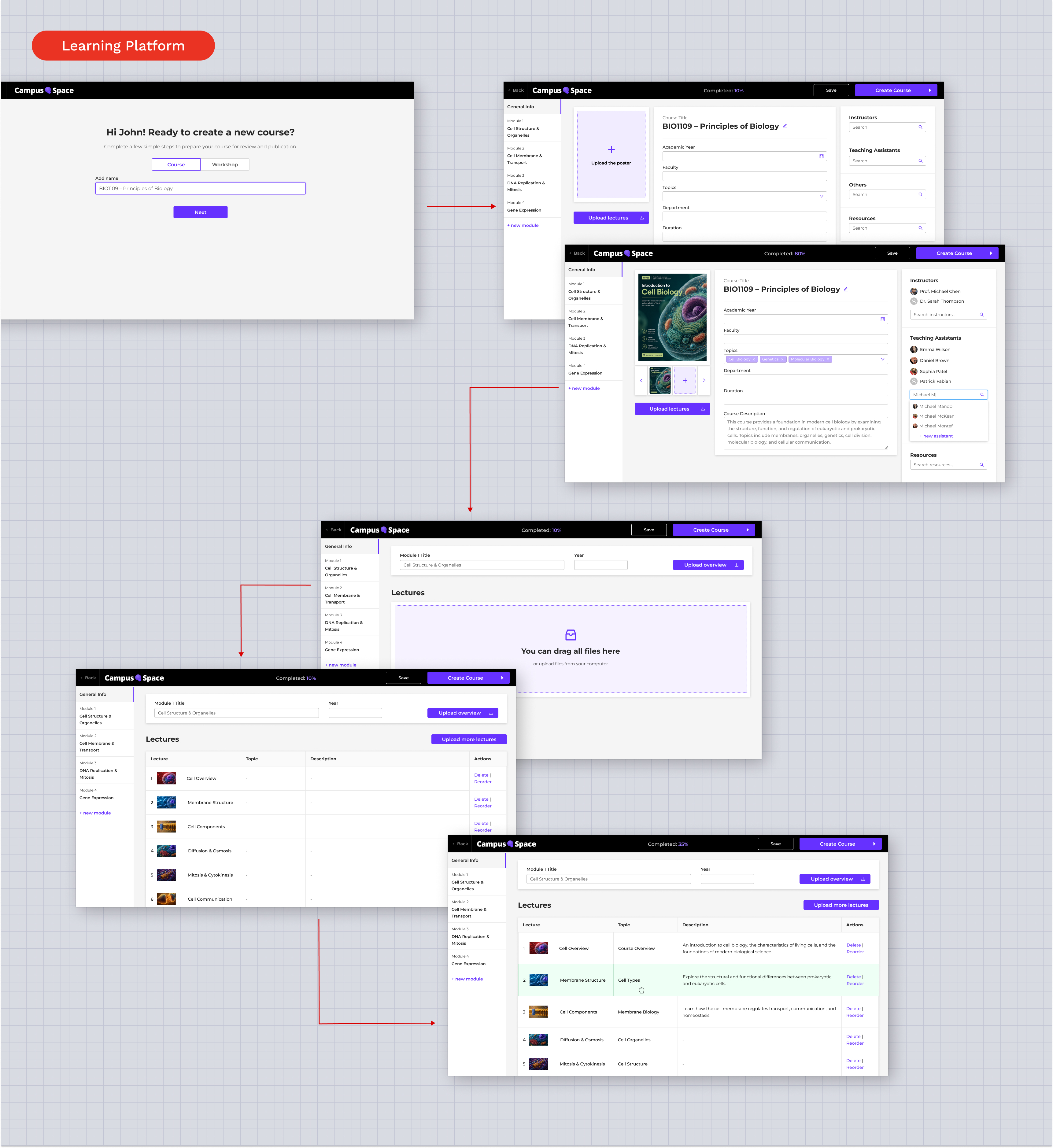
Learning Platform

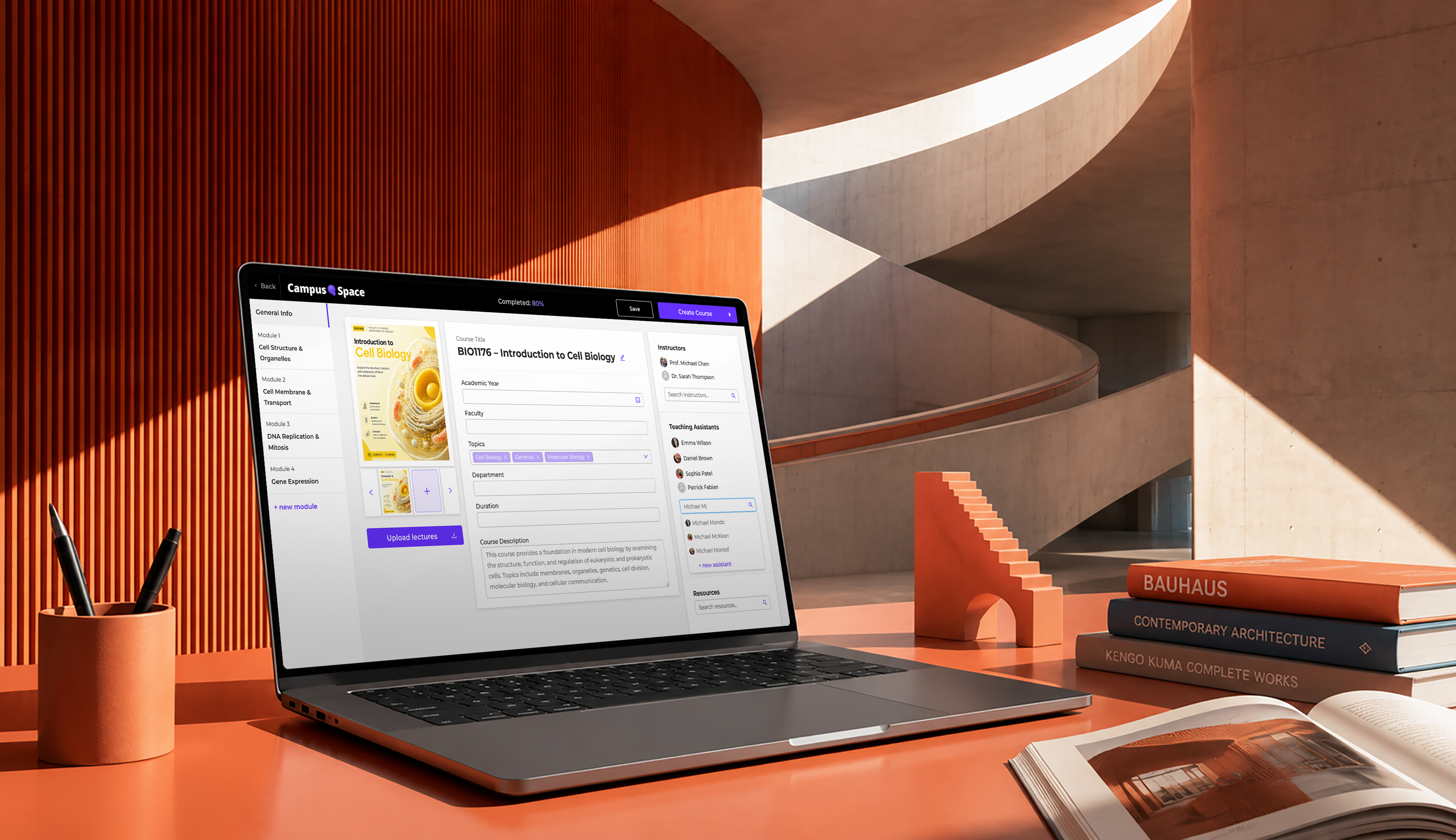
A student-facing platform where users could explore educational content and submit new learning materials through a guided upload experience.

Template image

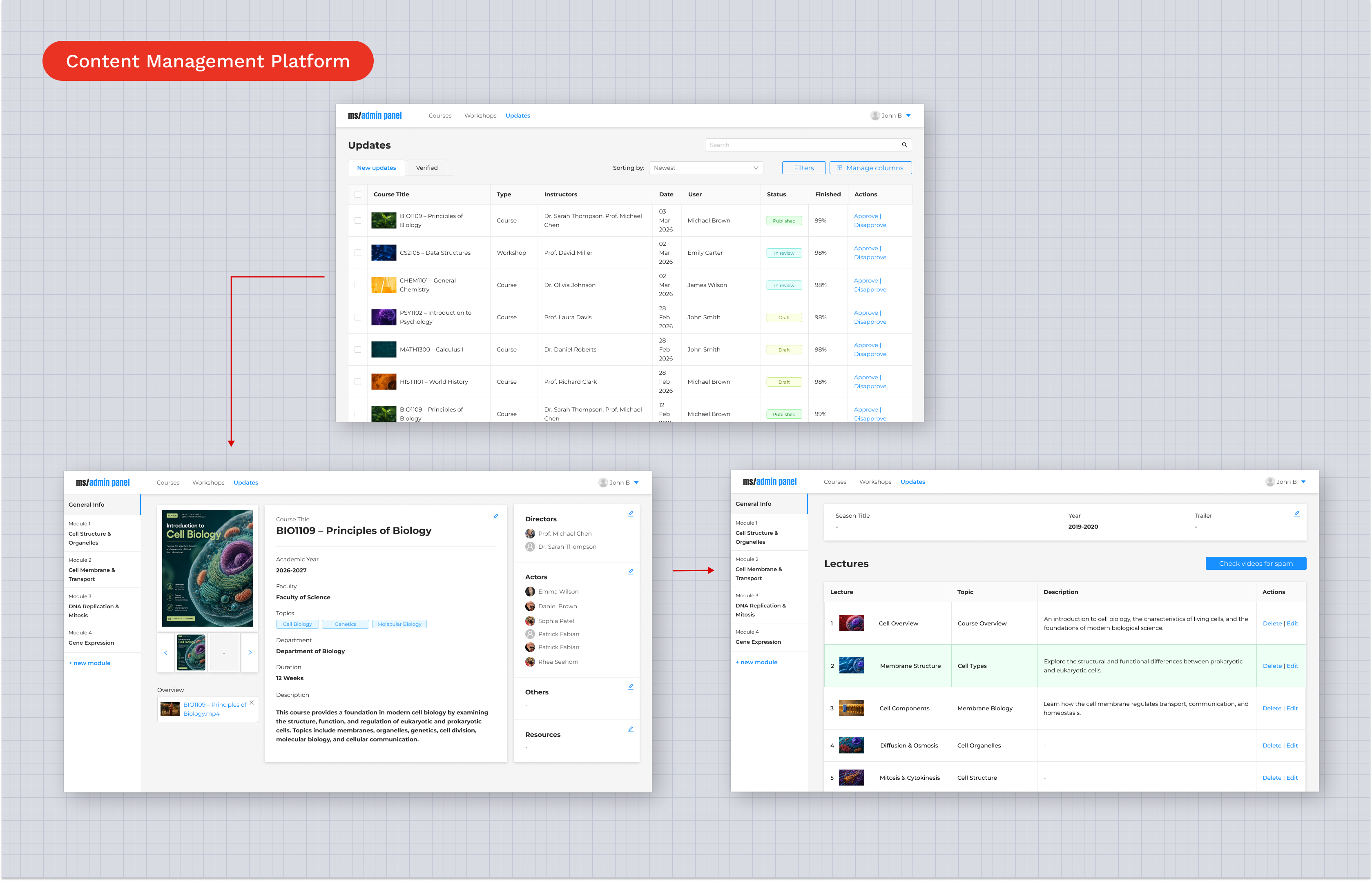
Content Management Platform

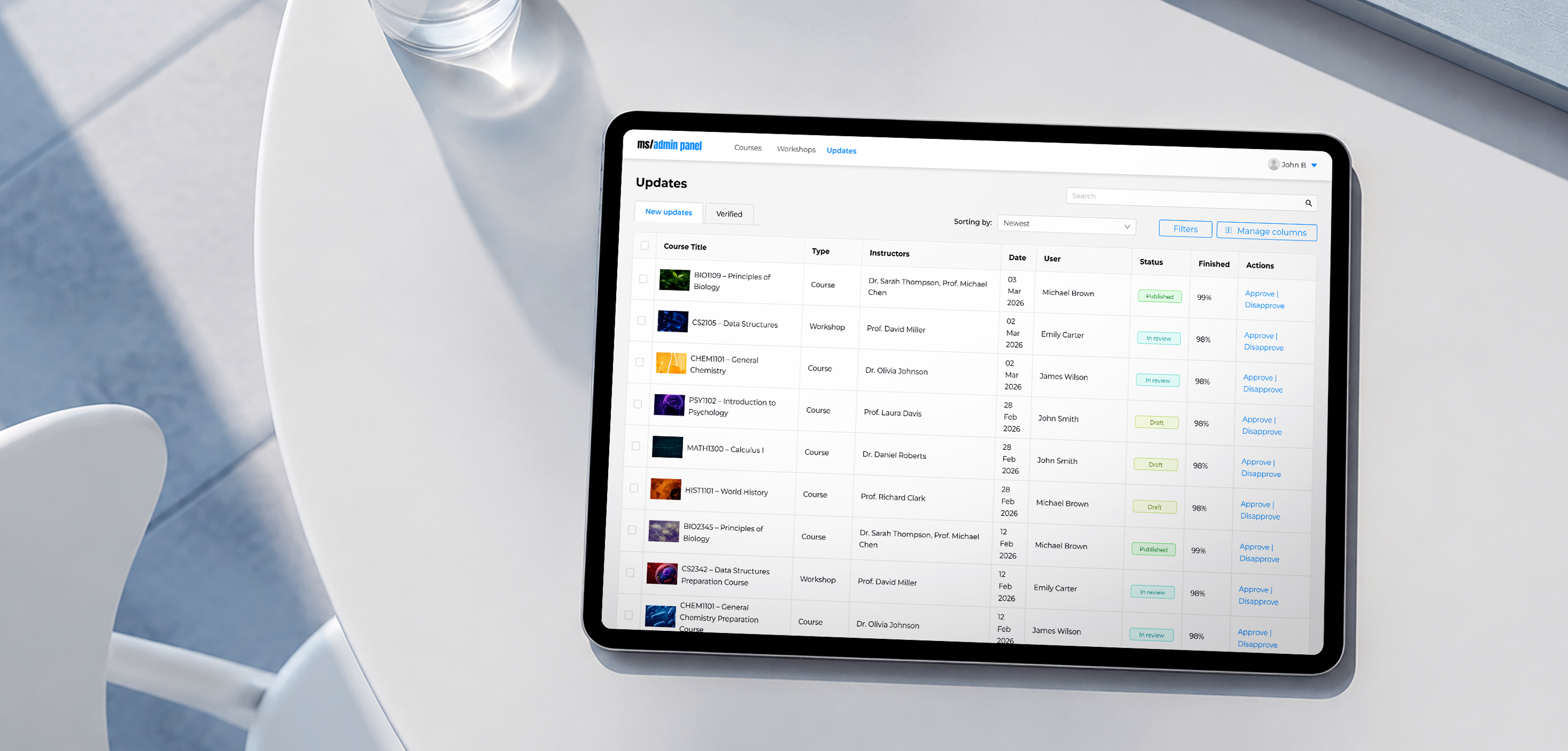
An internal CMS that enabled administrators to review submissions, manage metadata, organize content, and publish approved materials efficiently.

Template imageTemplate image
Result

Validation Strategy

Before development, I prepared a validation plan to test the product concept, evaluate the prototype, and identify opportunities for improvement.

Objectives

  • Validate the submission workflow
  • Evaluate CMS usability
  • Measure overall usability using the System Usability Scale (SUS).

Testing Approach

Concept Validation

Moderated interviews were designed to understand whether students would find value in contributing educational content and which features would encourage long-term engagement.

Usability Testing

Participants completed realistic tasks such as submitting new learning materials and navigating the content management workflow while identifying friction points and areas for improvement.

Success Criteria

The validation focused on answering four key questions:

  • Do students understand the value of contributing educational content?
  • Can users successfully complete the submission workflow without assistance?
  • Can administrators efficiently review, edit, and publish submitted content?
  • Which usability issues should be addressed before development?

Reflection

Working on this project taught me that solving the right problem starts with understanding how people actually work. It also reinforced the value of validating ideas early and designing experiences that remain simple and scalable as products evolve.