Case Study

Rethinking AI Adoption

Integrating AI across an enterprise analytics platform to deliver insights where users needed them most.

PROJECT SPECS
Icon
Product:
Diib, Website Growth & Analytics Platform
Icon
Challenge:
Increase AI adoption by integrating it into existing user workflows.
Icon
My Role:
Product Strategy, UX Research, UX/UI Design, Prototyping, Design QA
Template image
Business Context

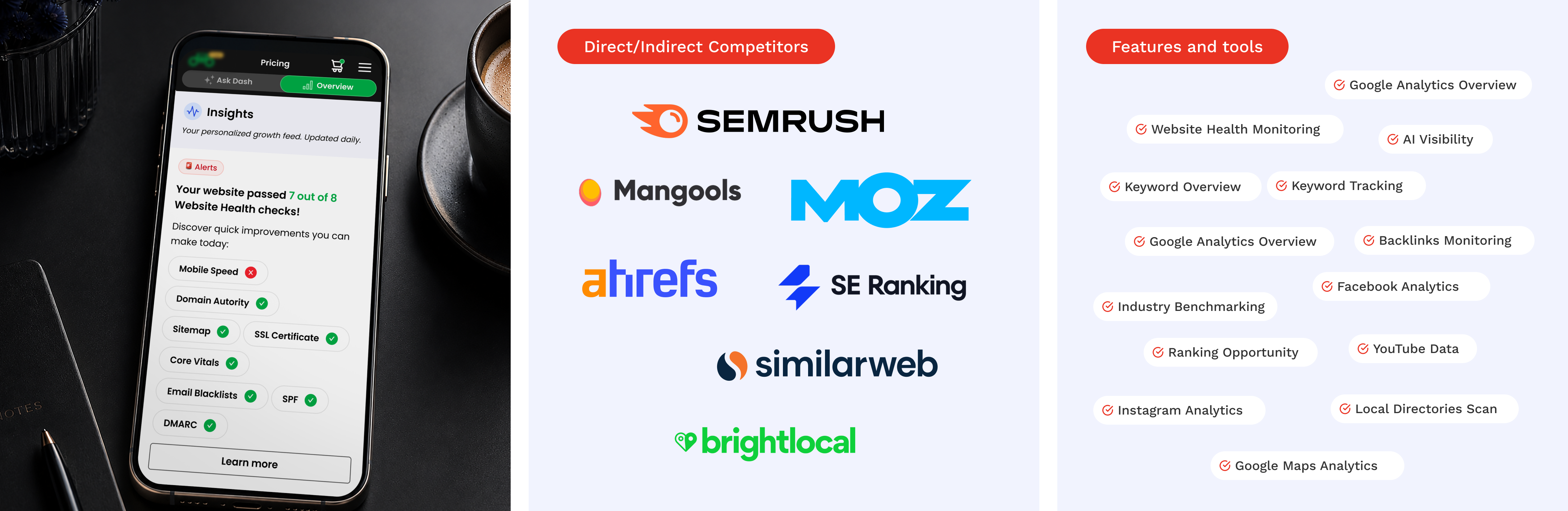
Small business owners often struggle to understand what is happening on their websites and what actions they should take next.

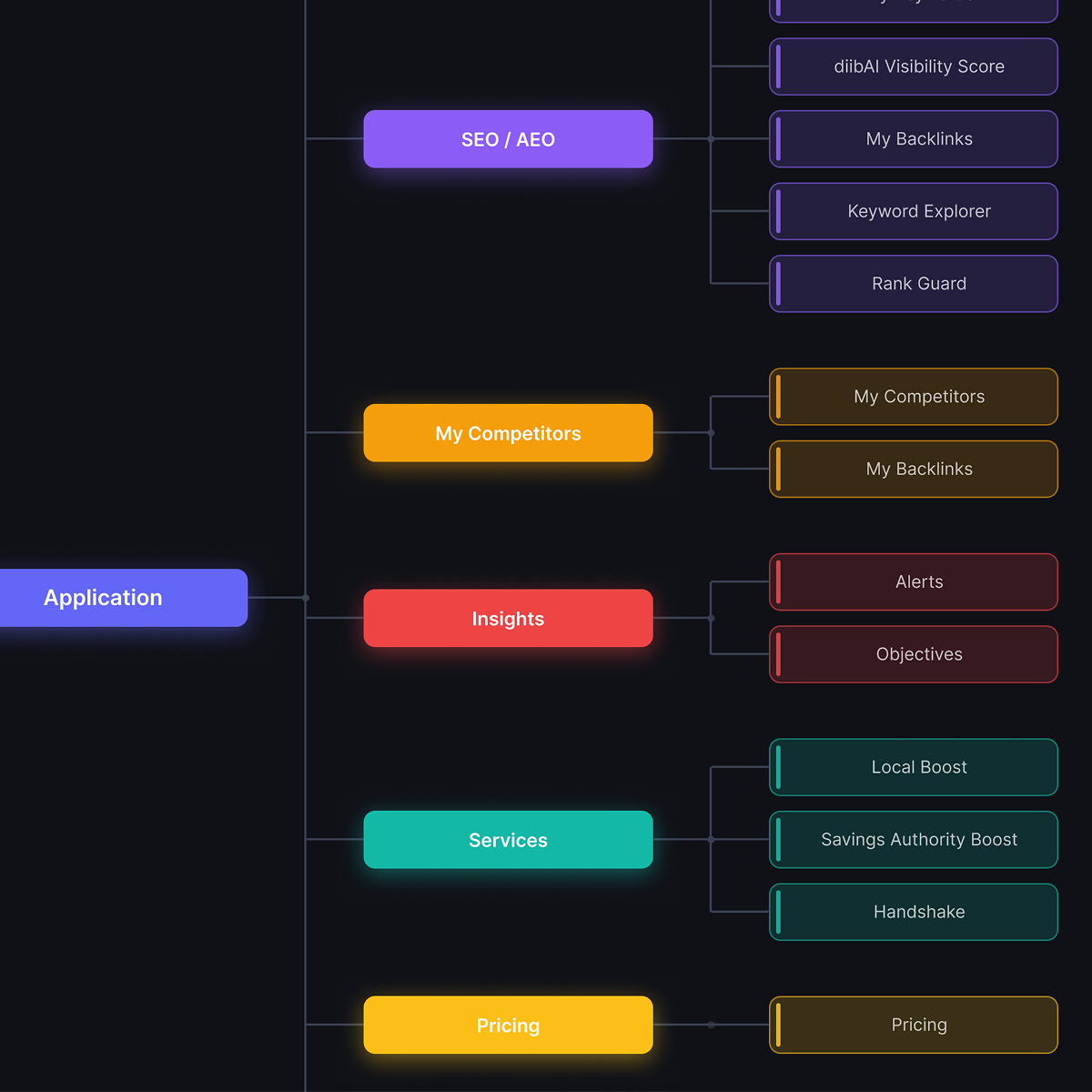
Diib helps simplify that process by bringing together SEO, traffic, user behavior, local listings, social media, and website health into a single platform that transforms complex analytics into actionable recommendations.

As AI became an industry standard, the company wanted to explore how it could help customers find insights faster and make better decisions without increasing product complexity.
Template image
The Challenge

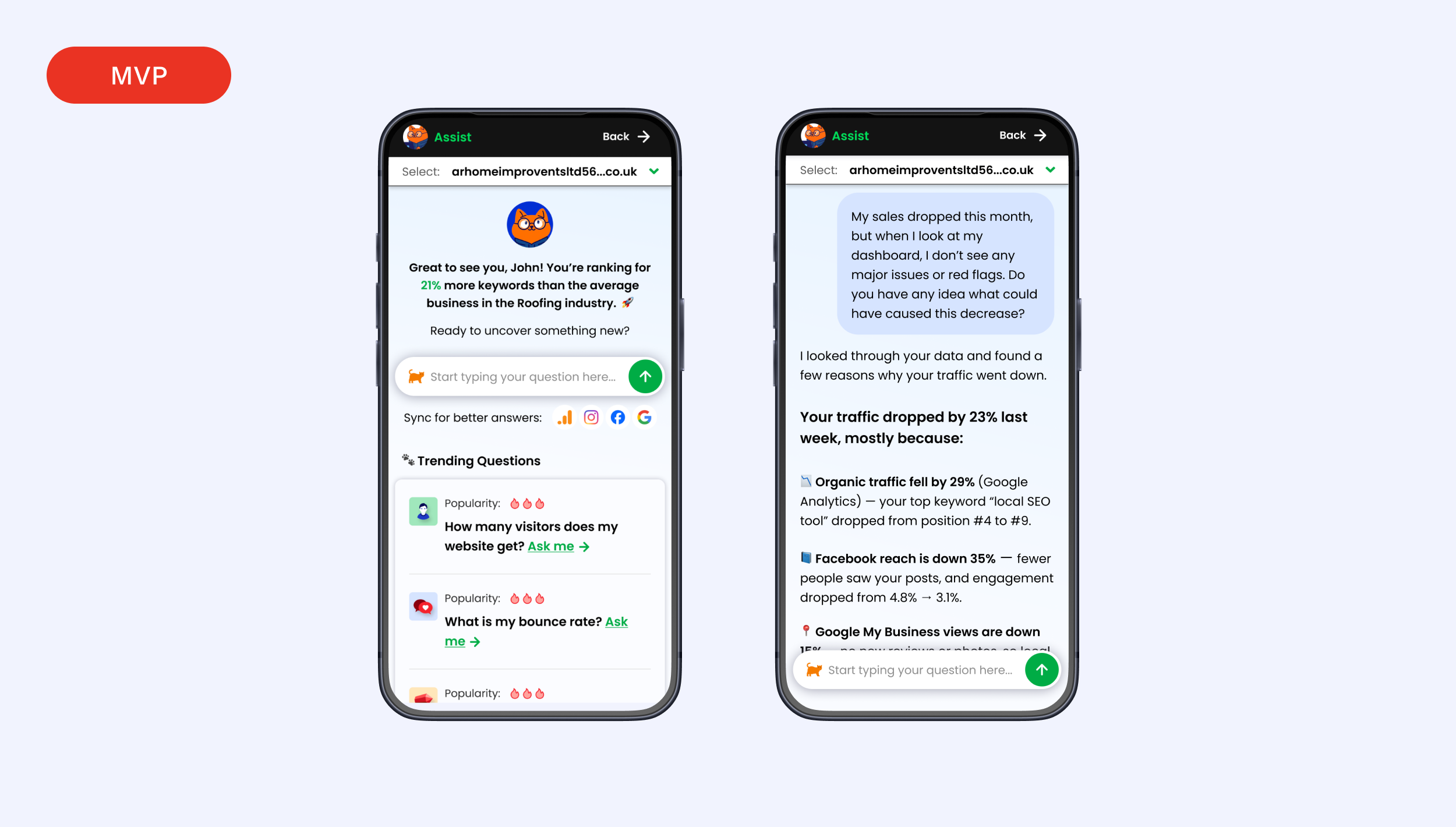
MVP

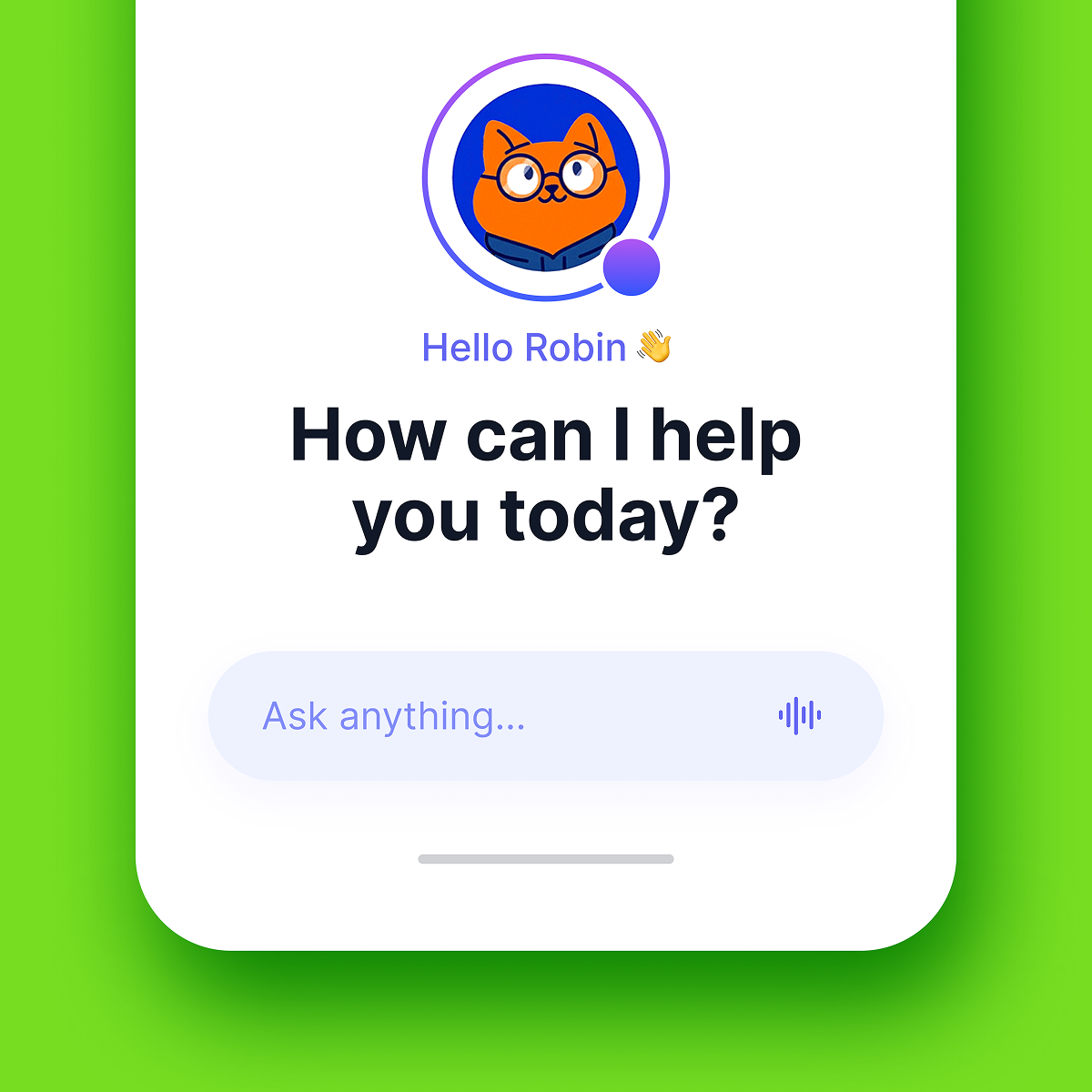
The vision was to create an AI Assistant that could analyze website data, answer questions, generate reports, and recommend ways to improve traffic, SEO, and overall online growth.

To validate the idea, we launched a lightweight MVP integrated into the existing product. After launch, we analyzed user behavior and quickly realized that the AI Assistant had little impact on engagement or revenue. This raised a bigger question: how should AI be integrated into the product to create real value?

Template image
Discovery & Research

What We Learned

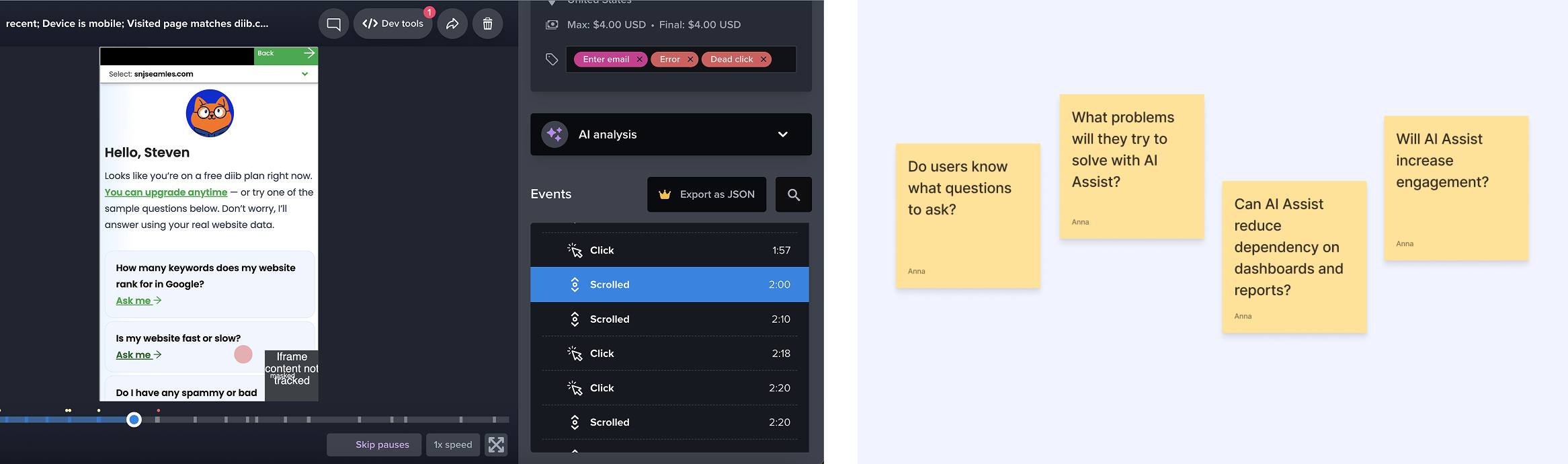
After launching the MVP, I analyzed product analytics, session recordings, and customer feedback to understand how users interacted with the AI Assistant and identify where it delivered value.

Key Findings

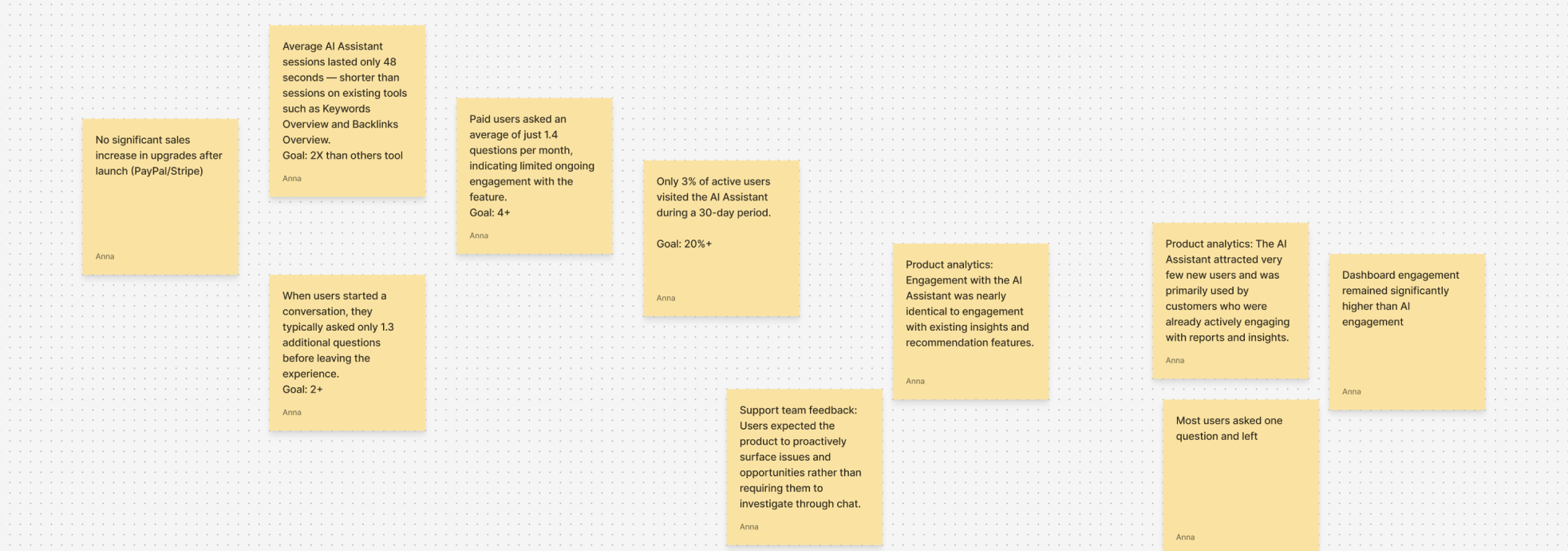
  • The AI Assistant had little impact on product engagement or revenue.
  • AI API costs made unlimited access difficult to scale.
  • Many users opened the assistant but didn't know what to ask, expecting the product to proactively surface insights instead.
  • Only ~3% of active users used the assistant—similar to engagement with existing static insights.
  • Users continued spending most of their time in dashboards and reports rather than chatting with AI.
Template image

Key Insight

Users weren't looking for a chatbot—they were looking for answers, recommendations, and clear next steps.

The research made one thing clear: users didn't want a separate AI destination. They wanted AI to help them understand the data they were already looking at. This insight fundamentally changed the direction of the project and became the foundation for the next design phase.

Template image
Designing the Solution

Shifting the Product Direction

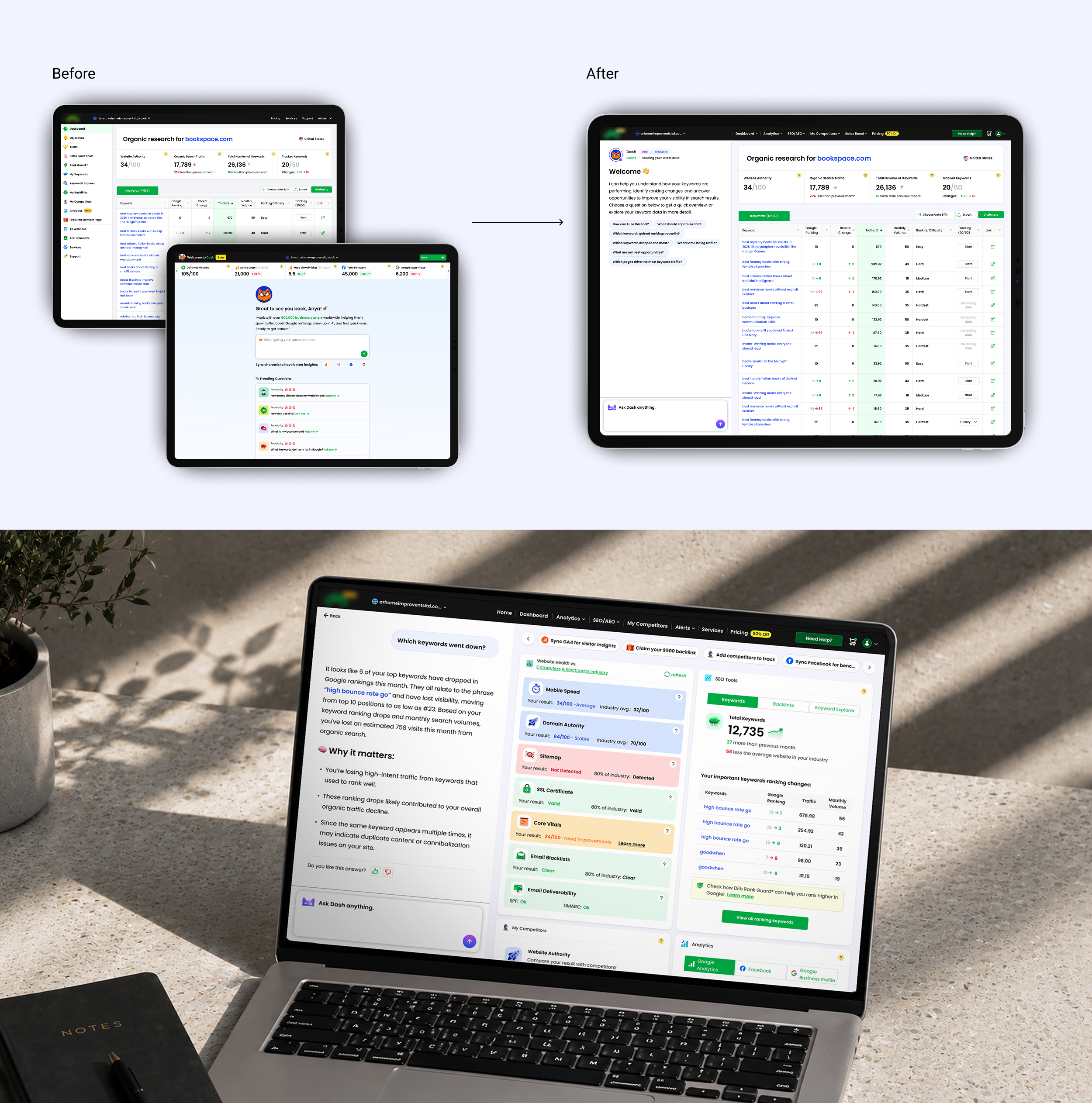
The research made it clear that we needed a fundamentally different approach. Instead of encouraging users to start conversations with AI, we redesigned the experience so AI became part of the workflows they were already using.

Contextual AI Across the Product

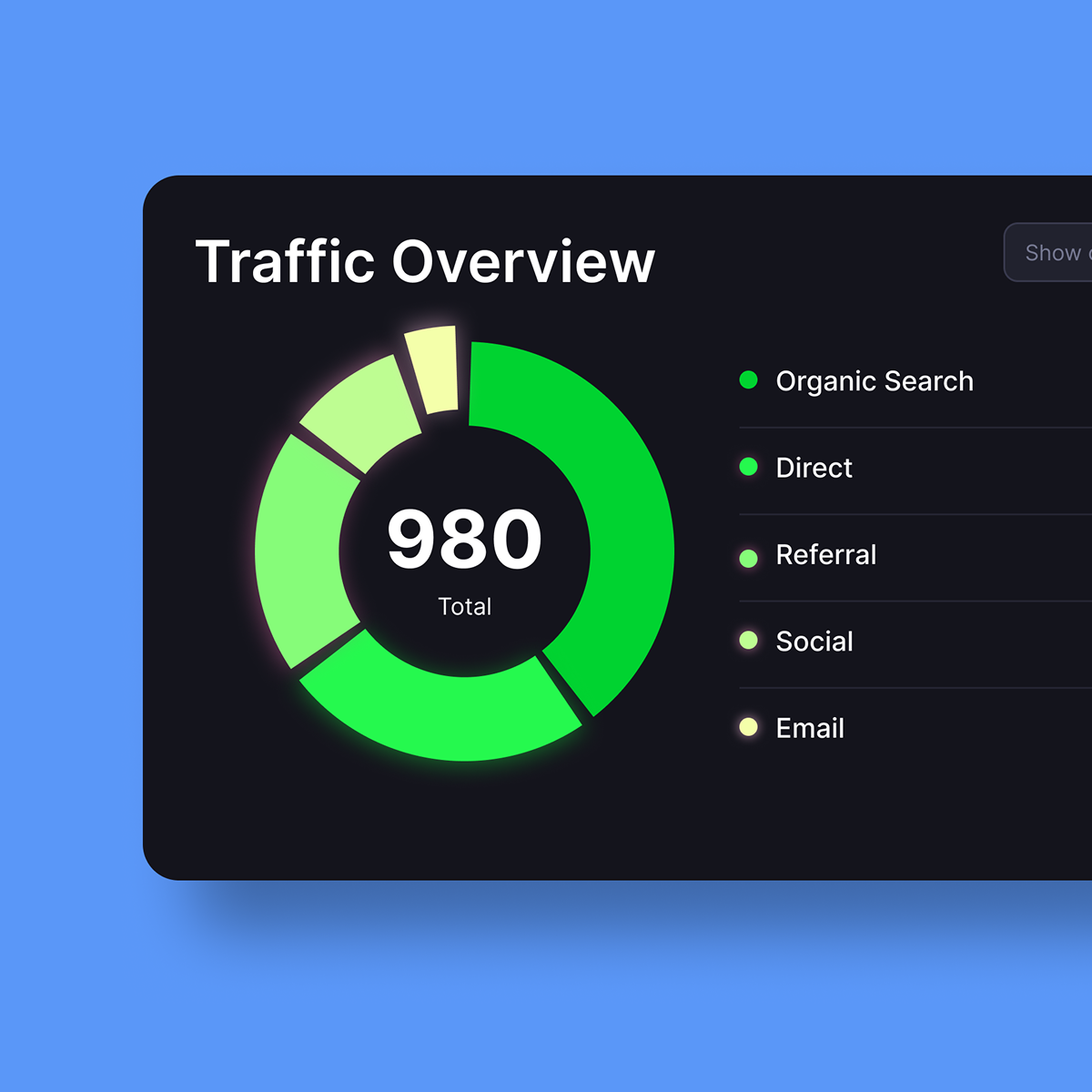
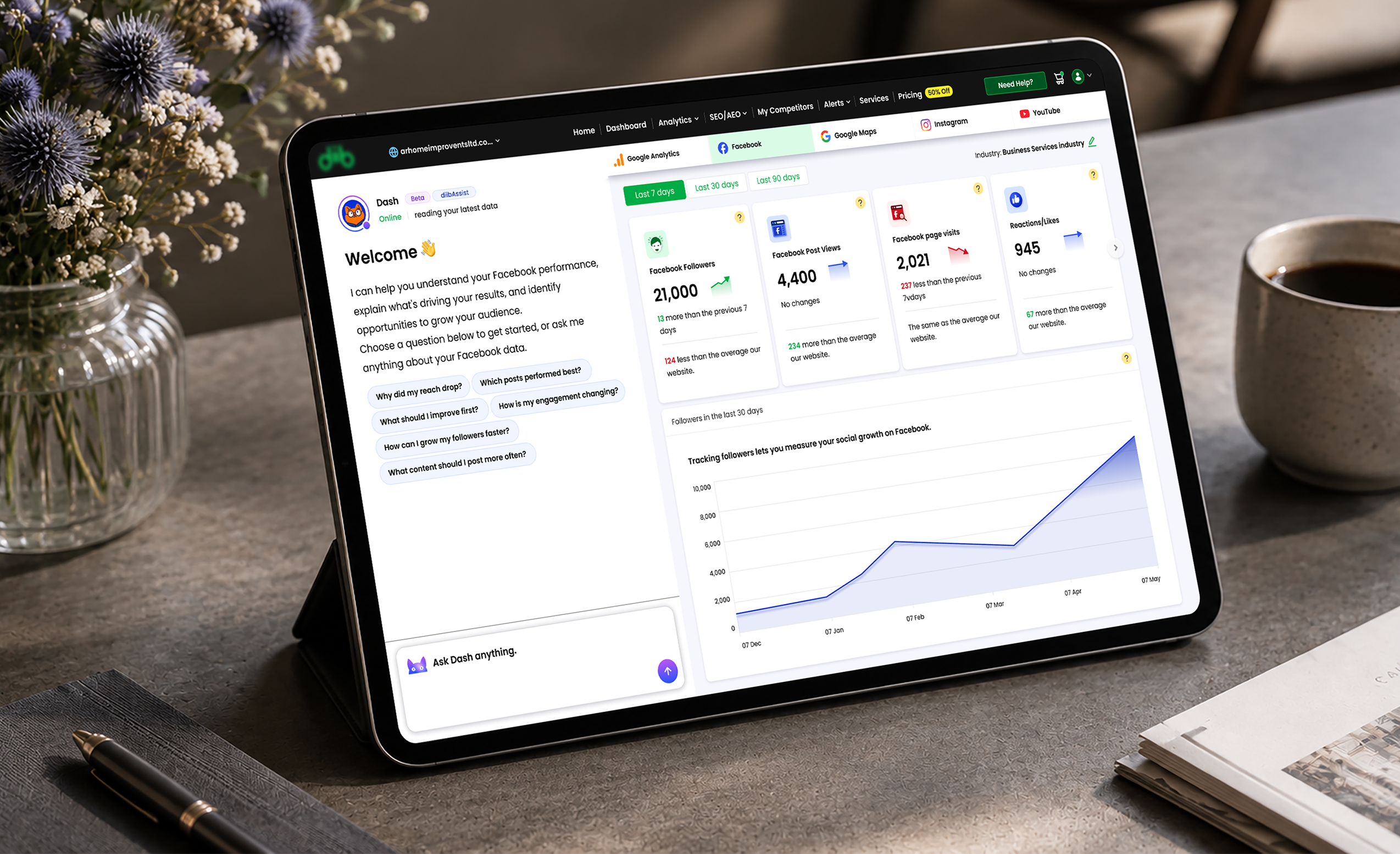
Instead of keeping AI as a standalone feature, we embedded it across dashboards, reports, recommendations, and growth tools. Rather than starting with a blank chat, users could access AI directly within their existing workflow, making it a natural part of the product experience.

Template image

AI-Powered Insight Feed

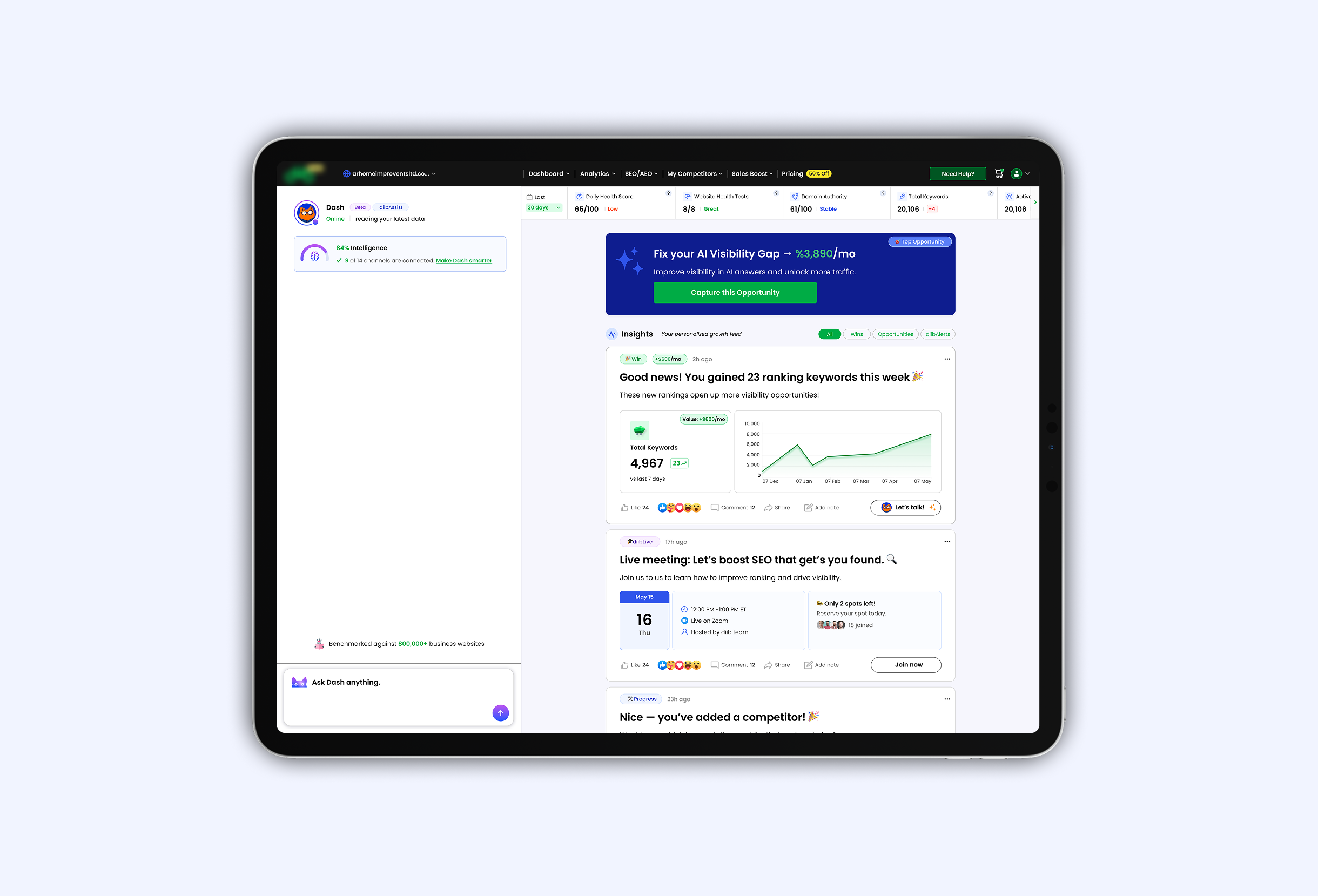
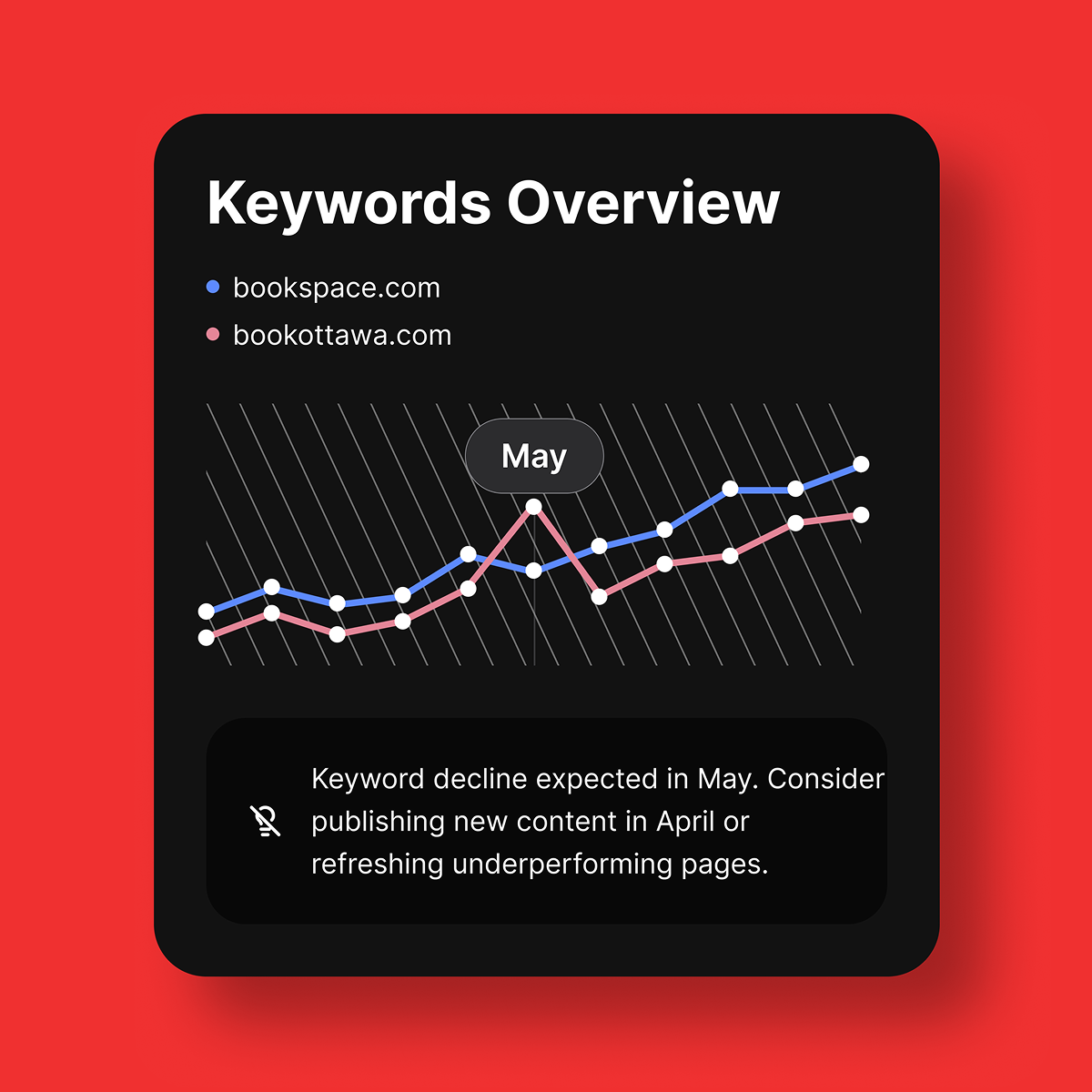
The original recommendation engine relied on approximately 180–200 predefined insights. We replaced this with a scalable AI-powered system that generated personalized recommendations based on each customer's website data.

To balance personalization with API costs, insight titles were generated using predefined rules, while AI was used only when users requested deeper explanations, recommendations, or next steps.

Instead of asking users to start with a blank chat, the product proactively surfaced the most relevant insights based on their data. AI became a second layer that provided context, explanations, and recommendations only when users needed them.

Template imageTemplate image
Result

The redesign shifted AI from a standalone feature into a core part of the product experience.

Key outcomes included:

  • AI became available across dashboards, reports, and growth tools instead of existing as a separate destination.
  • Personalized AI-generated insights replaced a library of 180–200 manually maintained recommendations.
  • Users could understand website performance, SEO issues, and traffic changes faster with contextual explanations and suggested next steps.
  • AI usage became more scalable by combining rule-based insight generation with on-demand AI explanations, helping reduce API costs.