Case Study

Automated Customer Setup

Designed a self-service configuration platform for enterprise 3D manufacturing software, reducing engineering involvement in customer onboarding by over 50%.

PROJECT SPECS
Icon
Product:
AMFG, Enterprise 3D manufacturing platform for planning, scheduling, and production.
Icon
Challenge:
Customer onboarding required significant engineering support.
Icon
My Role:
End-to-end Product Design • Discovery • UX Strategy • Research • QA
Template image
Business Context

One Platform. Hundreds of Workflows.

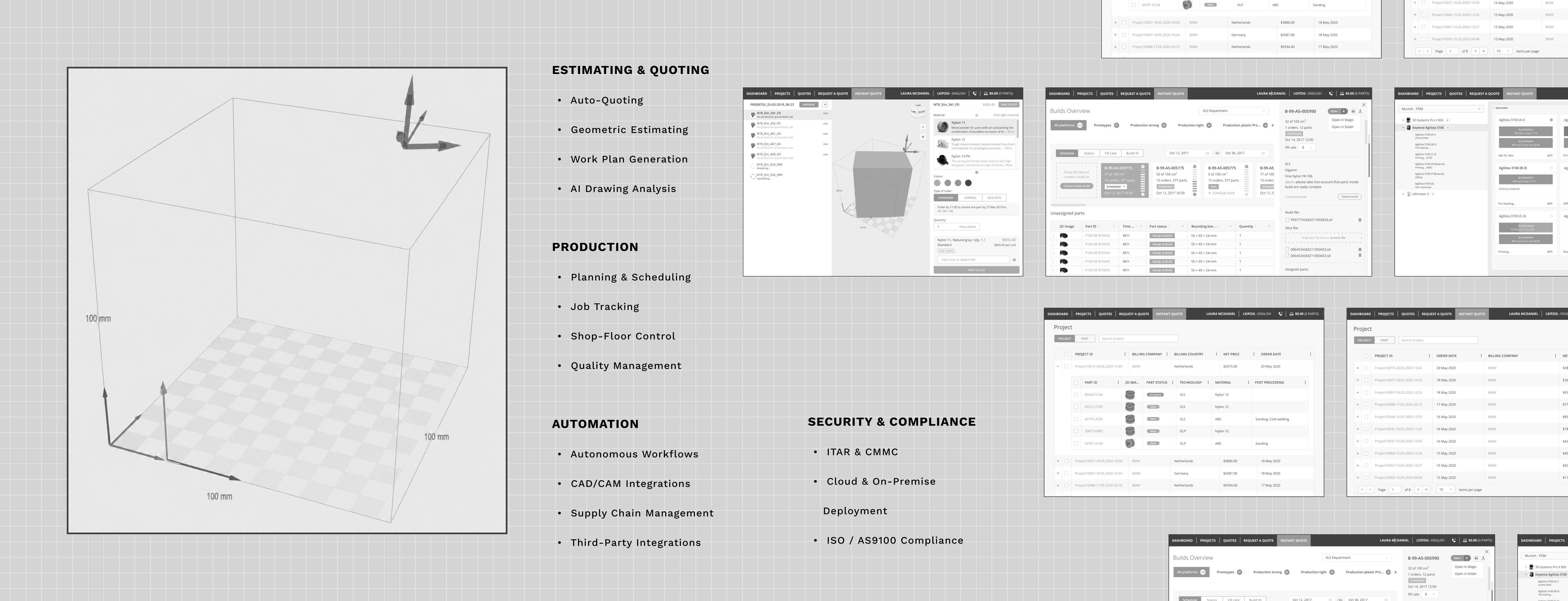
AMFG is an enterprise manufacturing platform used by companies ranging from small 3D printing shops to global manufacturers across Aerospace & Defense, Automotive, Consumer Goods, Industrial Manufacturing, and Healthcare.

Each customer required a unique combination of features, permissions, and workflows. Engineering manually configured customer environments and dashboards, while Sales relied on technical support for onboarding. As the company grew, this process became a major scalability bottleneck.

The platform was powerful, but its onboarding process wasn't built to scale.

Template image
The Challenge

We identified three key challenges.

1. The Product Wasn't Built for Gradual Adoption

Most manufacturers weren't ready to replace their entire workflow with a new platform. They preferred to start with one or two modules and expand over time. However, the product wasn't designed to support incremental adoption. As a result, fewer than 8% of customers adopted the full platform, while custom dashboards, permissions, and feature access consumed 35% of Engineering's time.

2. Growth Increased Operational Overhead

The Sales strategy was to land customers with a single module and expand later. But every new trial required Engineering to configure environments, enable features, and manage permissions. This added approximately 25% to the Development team's workload and slowed onboarding.

3. High-Value Customer Requests Were Delayed

Enterprise customers frequently requested custom workflows and configurations. Although these requests represented valuable business opportunities, Engineering had limited capacity because most of their time was spent on onboarding and customer configuration instead of product development.

As a result, nearly 60% of Engineering resources were consumed by customer onboarding, configuration, and maintenance instead of building new product capabilities.

Template image
Discovery & Research

01. Stakeholder Interviews

Interviewed Sales and Engineering teams to understand customer onboarding, product configuration, and feature activation.

02. Workflow Mapping

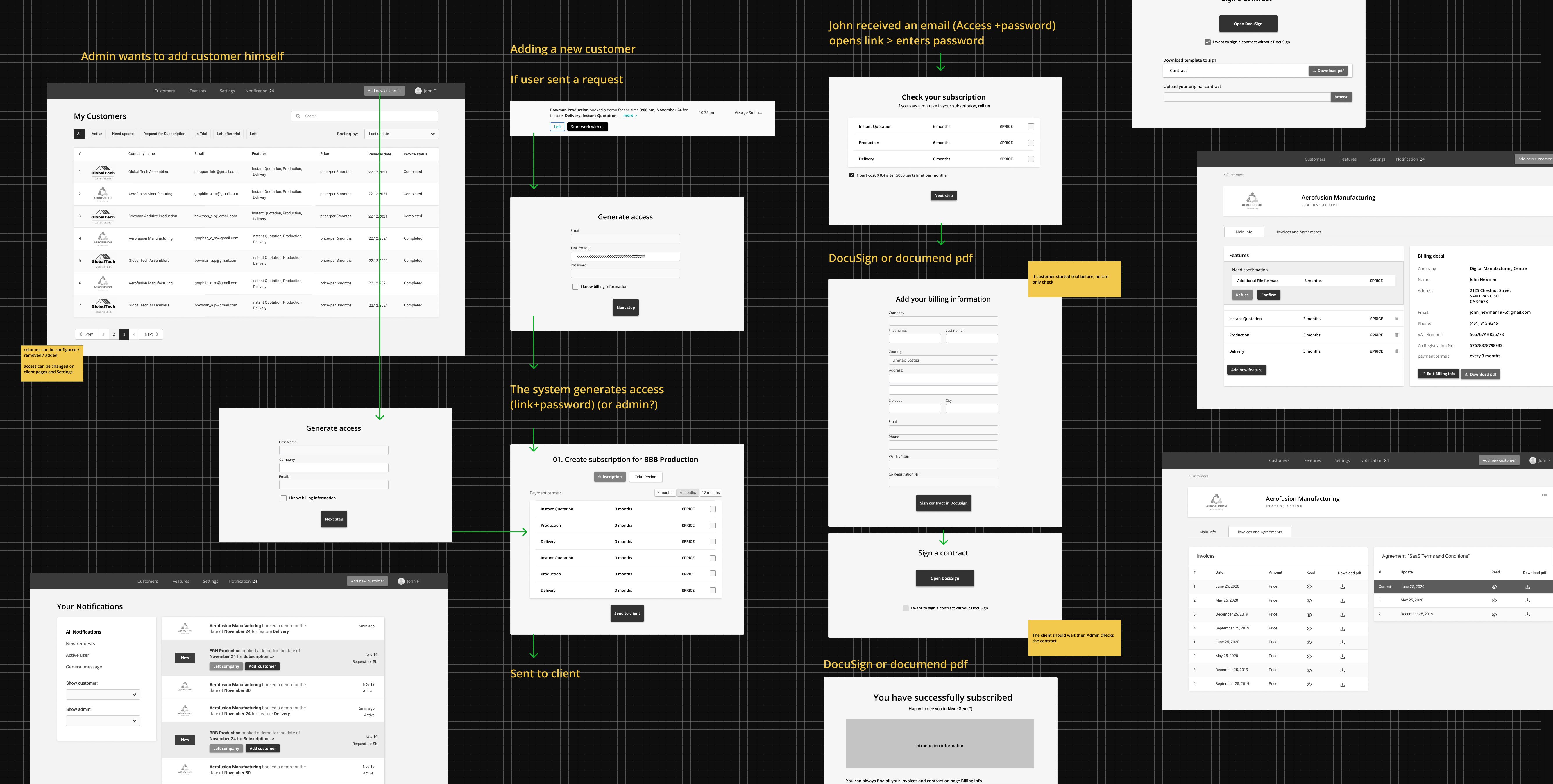
Mapped current and future-state workflows using swimlane diagrams to align stakeholders and identify process gaps.

Template image

03. Customer Journey Mapping

Created customer journey maps to uncover friction points, identify automation opportunities, and define requirements for a scalable self-service experience.

As a result, I defined the requirements and UX strategy for a scalable self-service platform.

Template image
Designing the Solution

To eliminate manual configuration, I designed a self-service platform that shifted control from Engineering to customers.

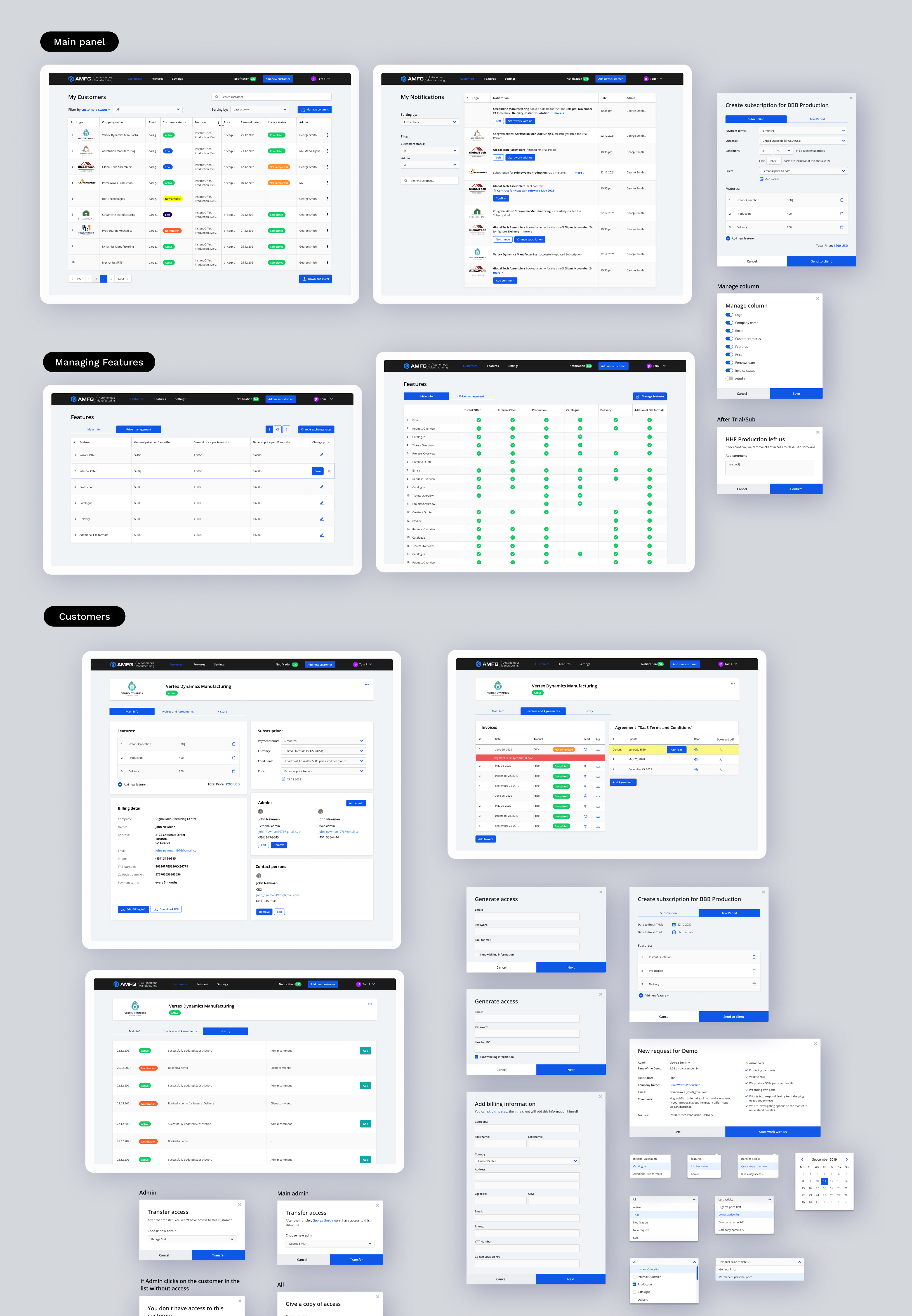
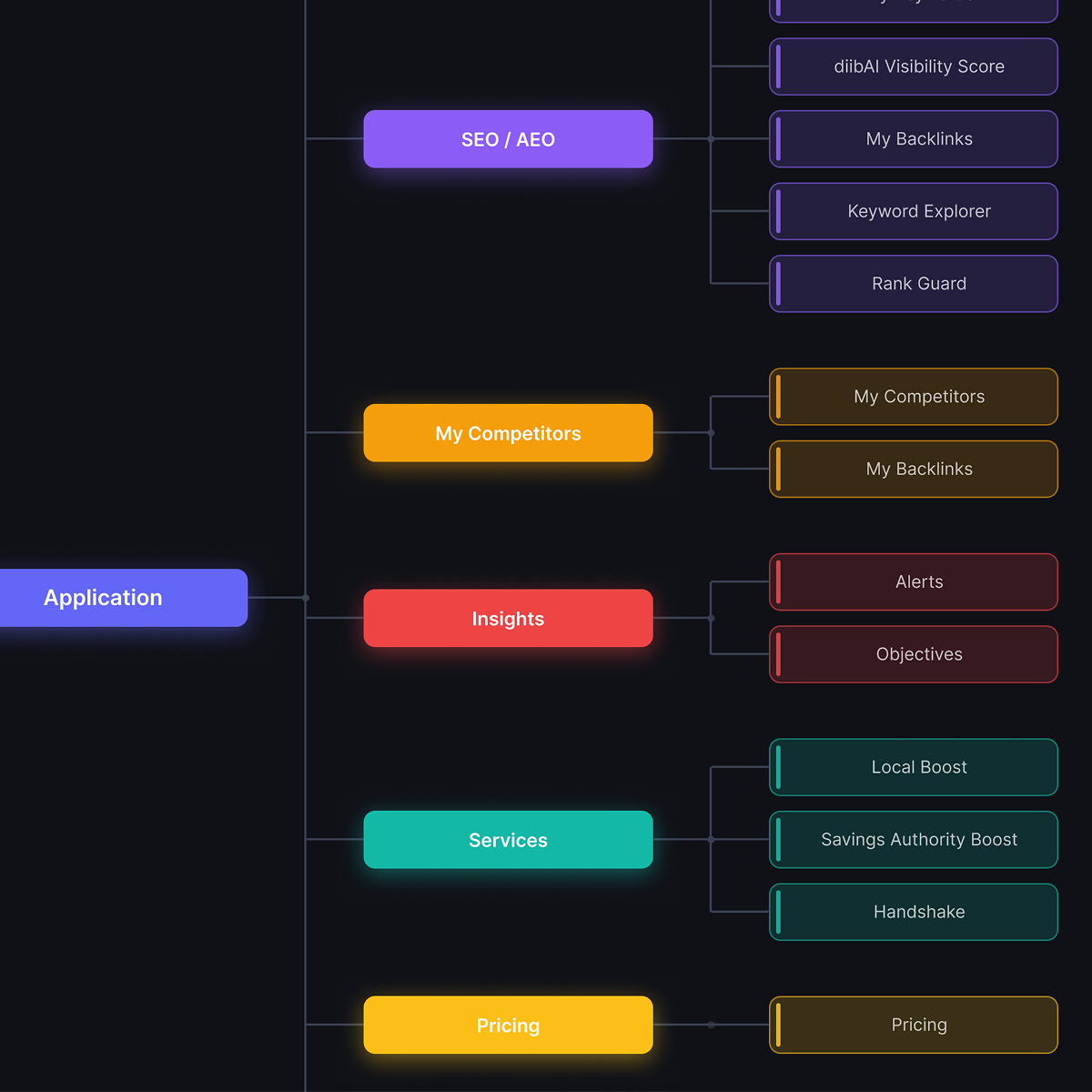
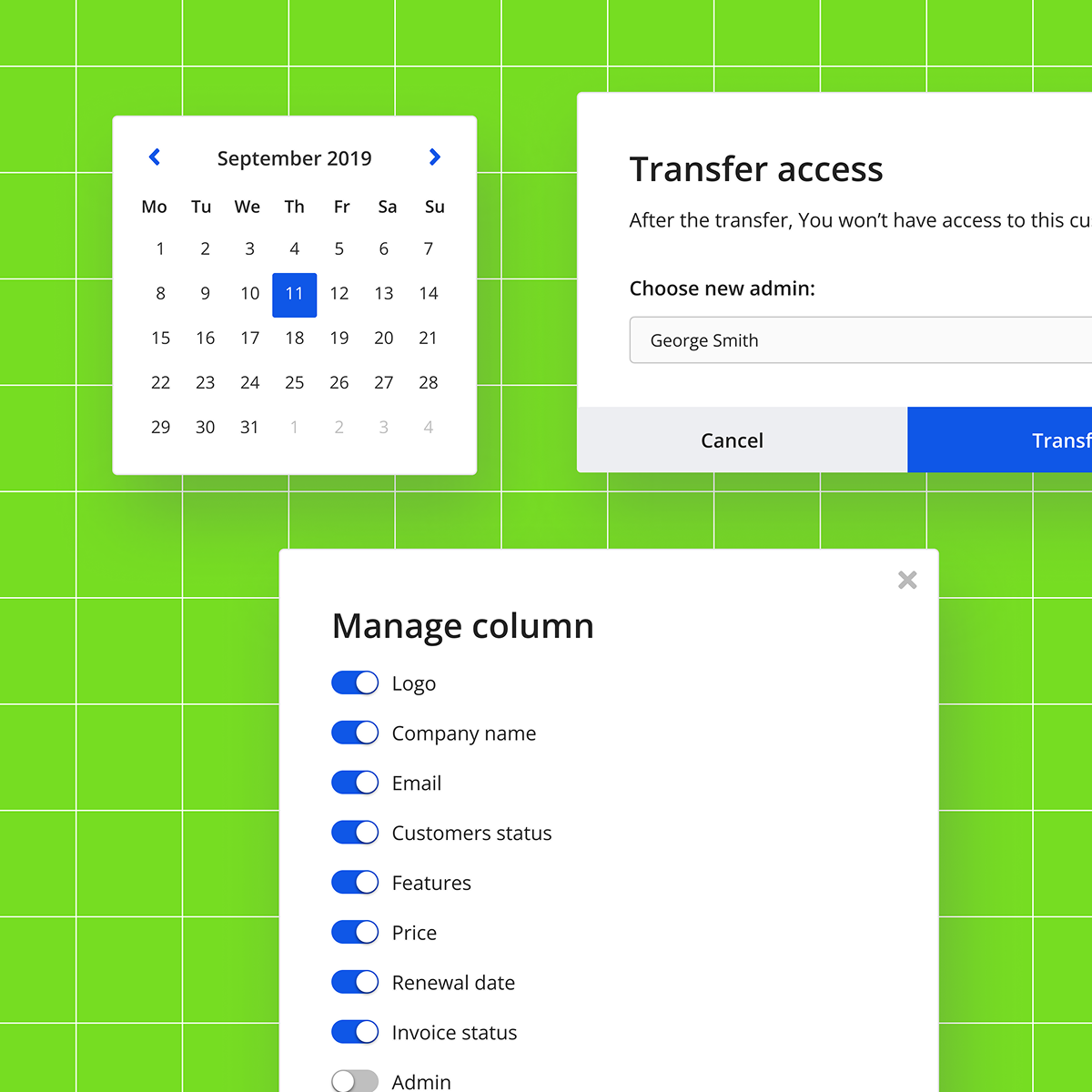
The solution introduced two connected products: a Sales Portal for package configuration and trial management, and a Customer Admin Portal where customers could manage modules, permissions, and subscriptions independently.

Template image

My responsibilities included product discovery, UX strategy, information architecture, user flows, wireframes, UI design, prototyping, and design QA.

Template imageTemplate image
Result

From Manual Setup to Self-Service

The self-service platform reduced the need for manual configuration, streamlined customer onboarding, and allowed Engineering and Sales teams to focus on higher-value work instead of repetitive setup tasks.

1. Reduced Engineering effort by 50%+

Configuration-related work was automated through self-service.

2. Reduced Sales onboarding effort by 20%+

Sales no longer depended on Engineering for every new customer.

3. Automated 8%+ of new sales in the first month

Customers could configure and activate the platform independently.